
THE JOURNEY BEGINS…
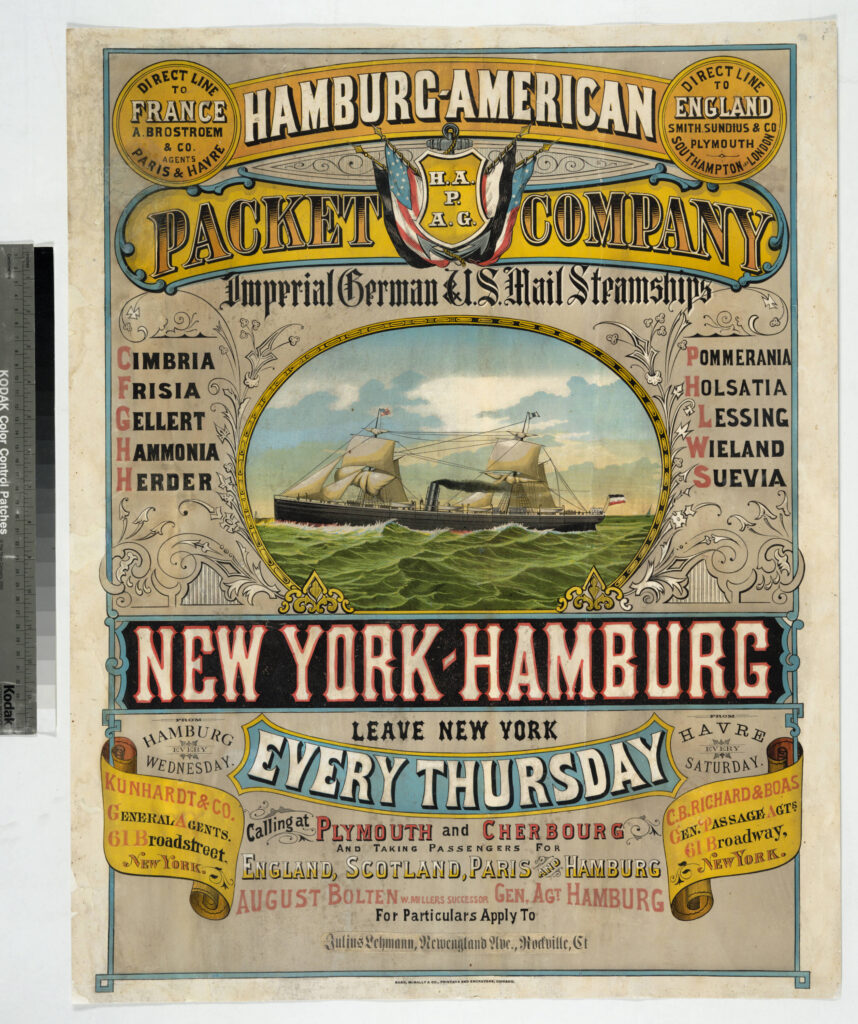
On October 2, 1878, 20-year-old Ernest Hüpeden left Hamburg aboard the steamship Herder, bound for New York. Sixteen days later, on October 18, 1878, he arrived in New York to begin his American life that would eventually bring him to us in Wisconsin to create the murals of the Ernest Hupeden’s Painted forest.
Waiting for Goethe: An historical tangent
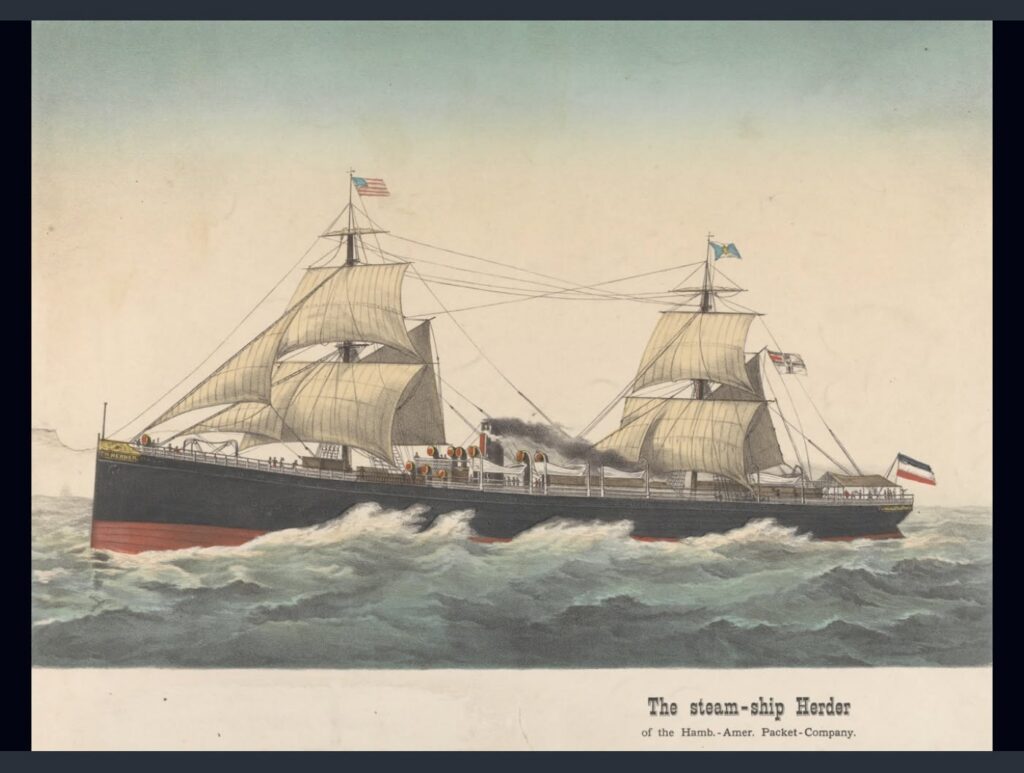
On February 19, 1874, the steamship Herder left Cuxhaven, Germany, bound for New York. She did not make it. On March 3, the Herder put into Queenstown, Ireland – today Cobh – damaged. Lloyd’s List described her condition in wonderfully blunt maritime language: “leaky, and with loss of boats.”
What’s Hiding in Ernest Hüpeden’s Painted Forest?
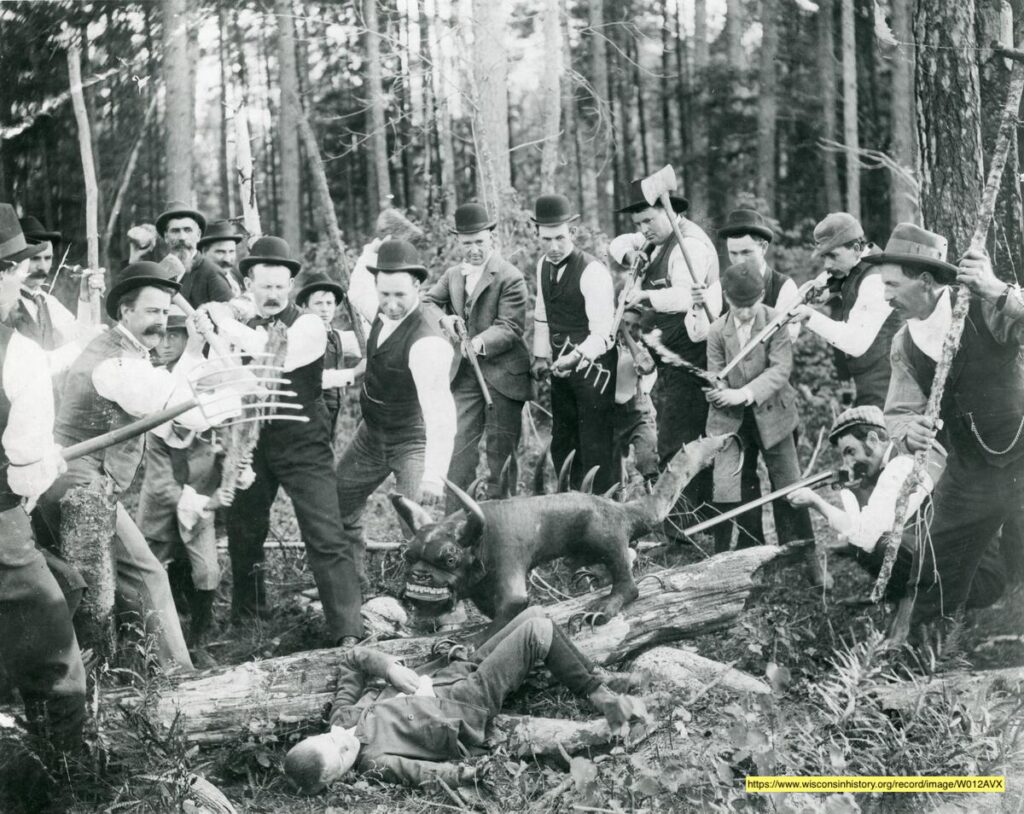
Wisconsin’s forests have never been inhabited by ordinary creatures alone. At least not according to the lumberjacks.
The Women of Ernest Hüpeden’s Painted Forest
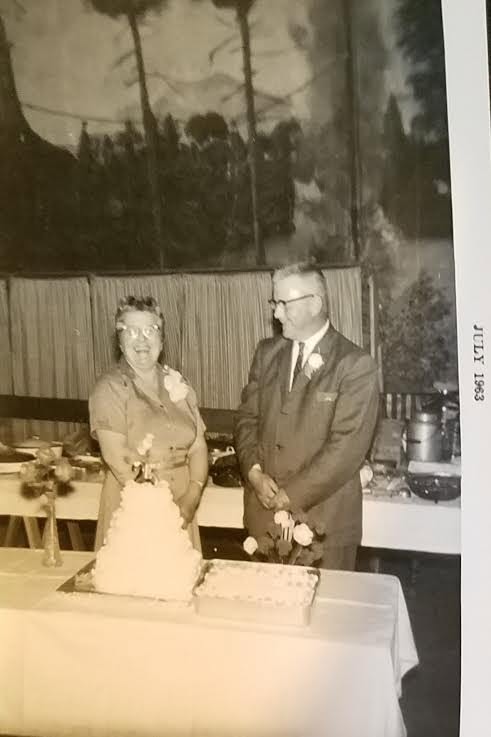
There are two women who were vitally important to the Ernest Hupeden’s Painted Forest. It is safe to say that without Norma Gibeaut Mortimer and Dolores Nash, we would not have the Ernest Hupeden’s Painted Forest.
Salomania Reigns!

One of the remarkable things about Ernest Hüpeden is how clearly the world around him appears in his art. His current events, now our history, are embedded in his artwork. At the Ernest Hüpeden’s Painted Forest, his 1898 curtain painting of the 1896 Battle of Manila, is one such example.
Glimpse of the Man behind the Murals…
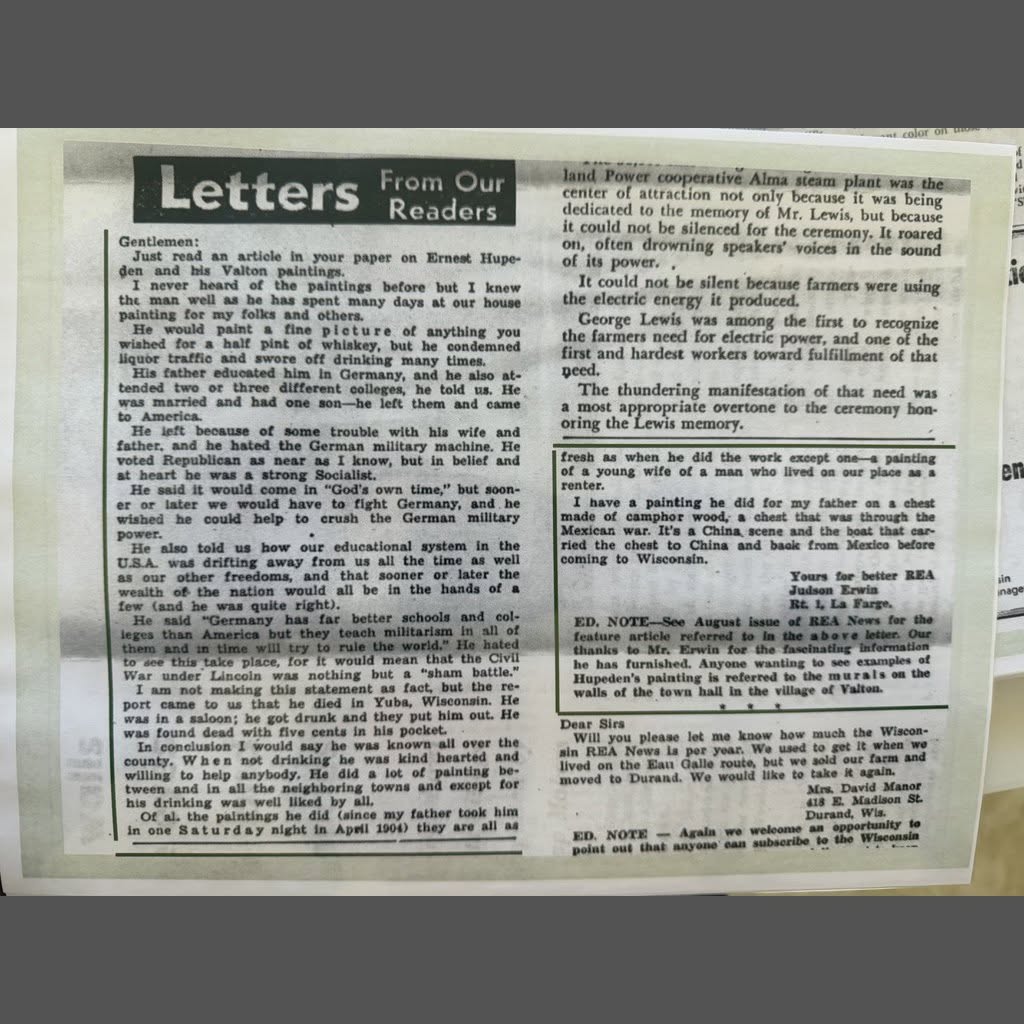
The 1957 letter to the REA Editor remembering conversations from 1904 with Ernest Hupeden is fascinating! These sort of memories give us insight into the man behind the murals. He was intelligent, educated, generous as well as a folk artist. And many of his predictions have come true.
What in the world is an “Artist-built environment”?

“Artist-built environment” is a fancy term for a really cool place.
These places are building interiors or outside spaces such as backyards, farm fields, or gardens transformed by an artist. In most cases, art environments were created by self-taught artists. The result is not just “some thing”, “a piece of art”, that you look at — it is a place you step into, the art surrounds you – you breathe a little differently, see a little differently, experience a little differently in art environments.
What’s in Your Drawers?
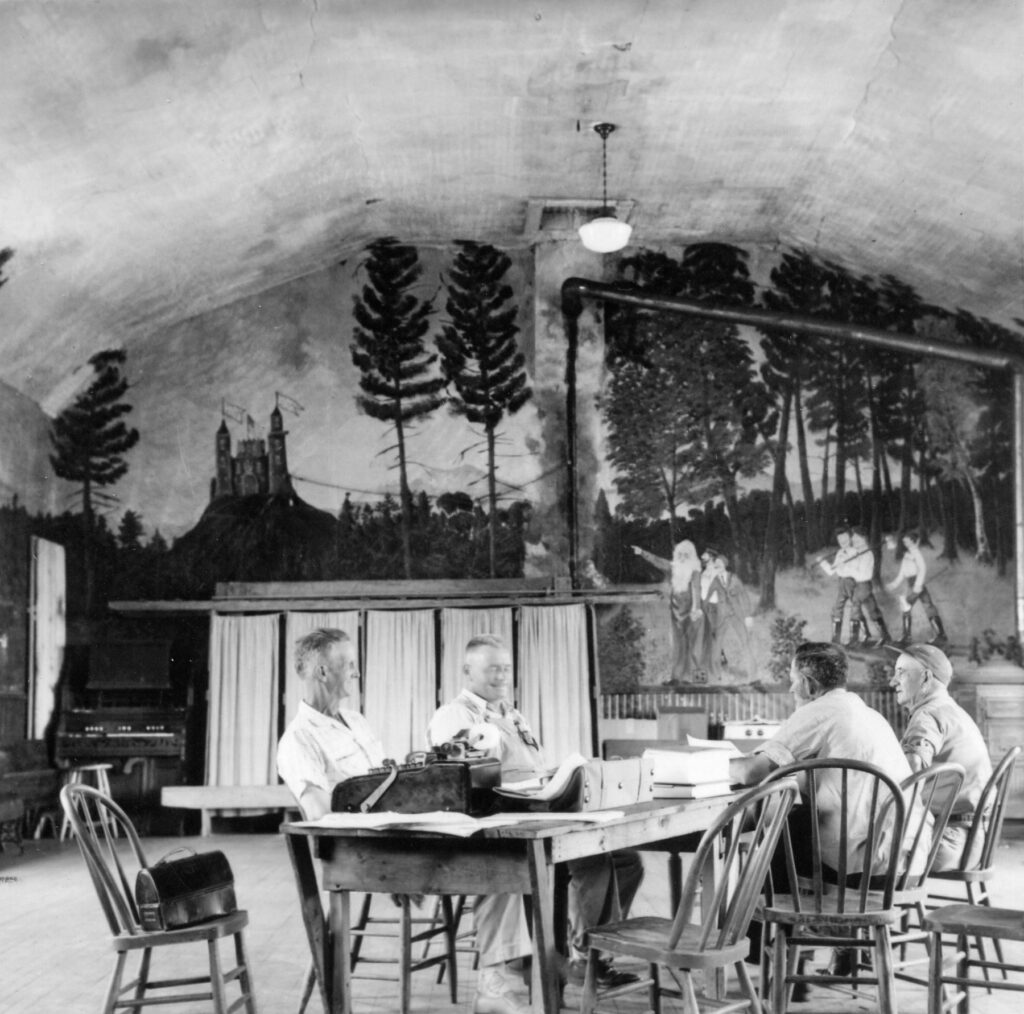
After the cessation of activities in 1928 by the MWA at Camp 6190 Hall, the Hall became the Community Gathering Point protected from vandalism by love.
The Goat Story
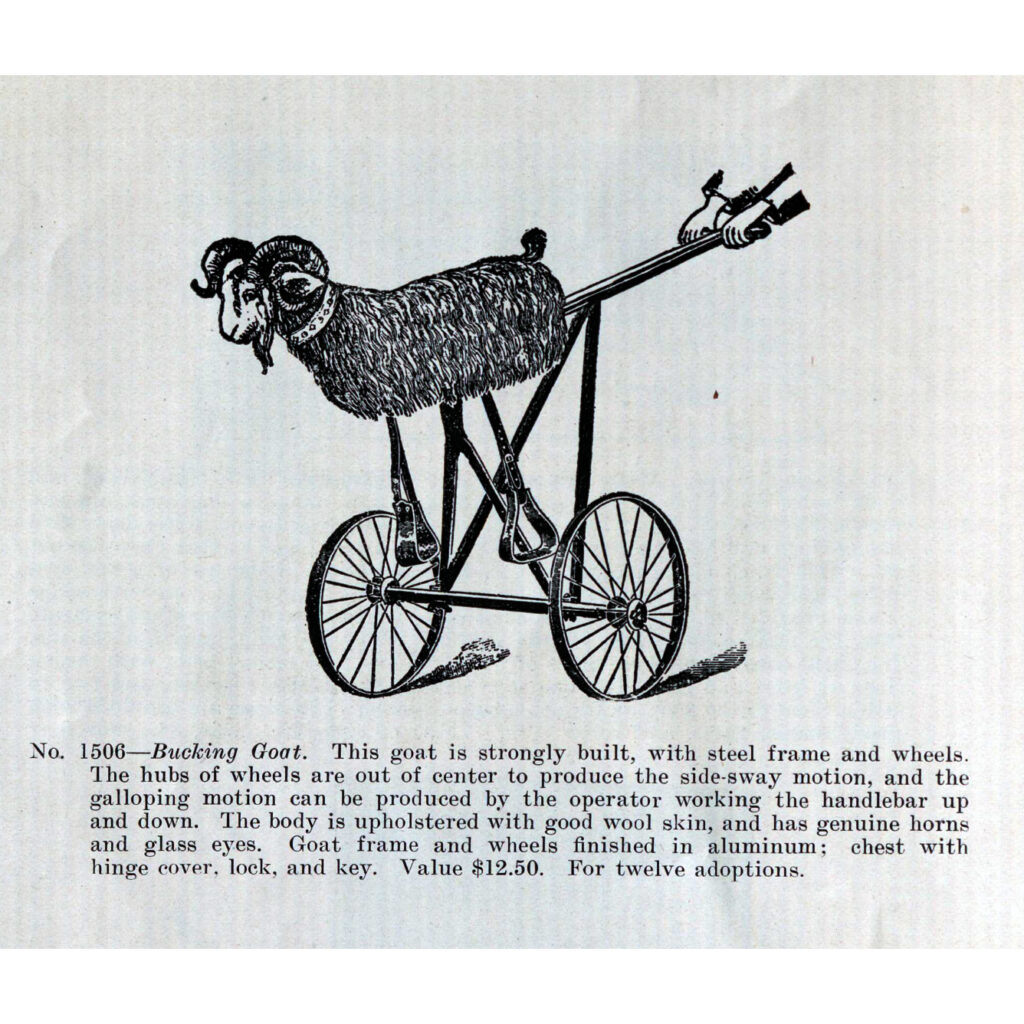
In the 1800s, fraternal organizations were often viewed with suspicion. Their closed meetings, passwords, and initiation ceremonies led outsiders to imagine something dark and dangerous happening behind lodge doors.
The Taxman Never Lies
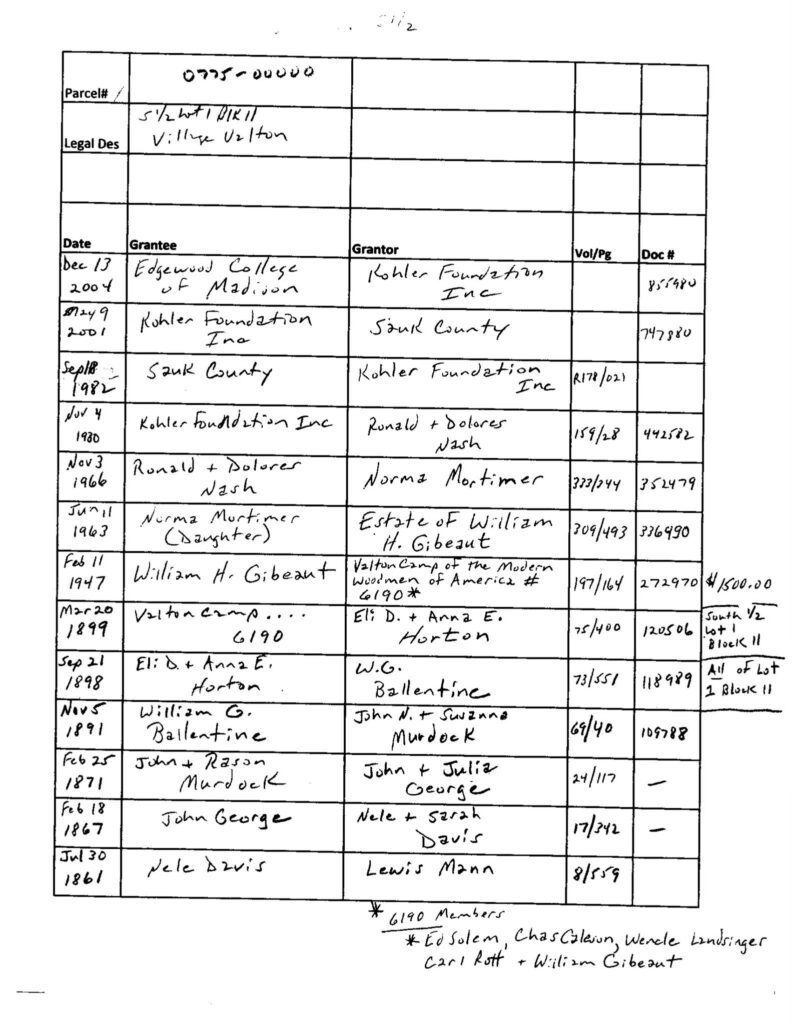
Oral history is fascinating and useful and very fun and doesn’t always match the written history. That doesn’t make oral history incorrect or invalid any more than it makes the written history incorrect or invalid; it makes all history nuanced.